
Braud
Habitation Grand-Fonds
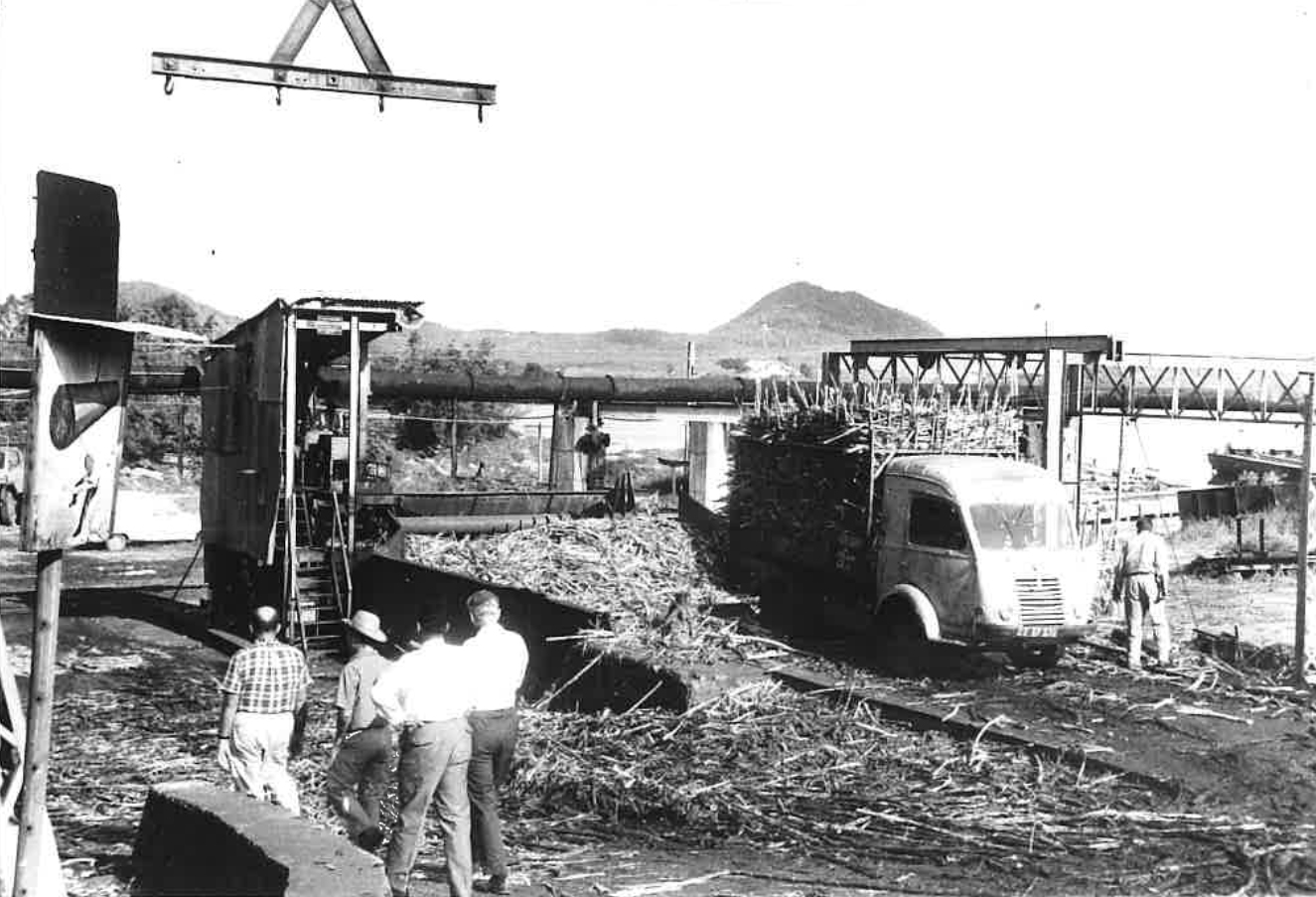
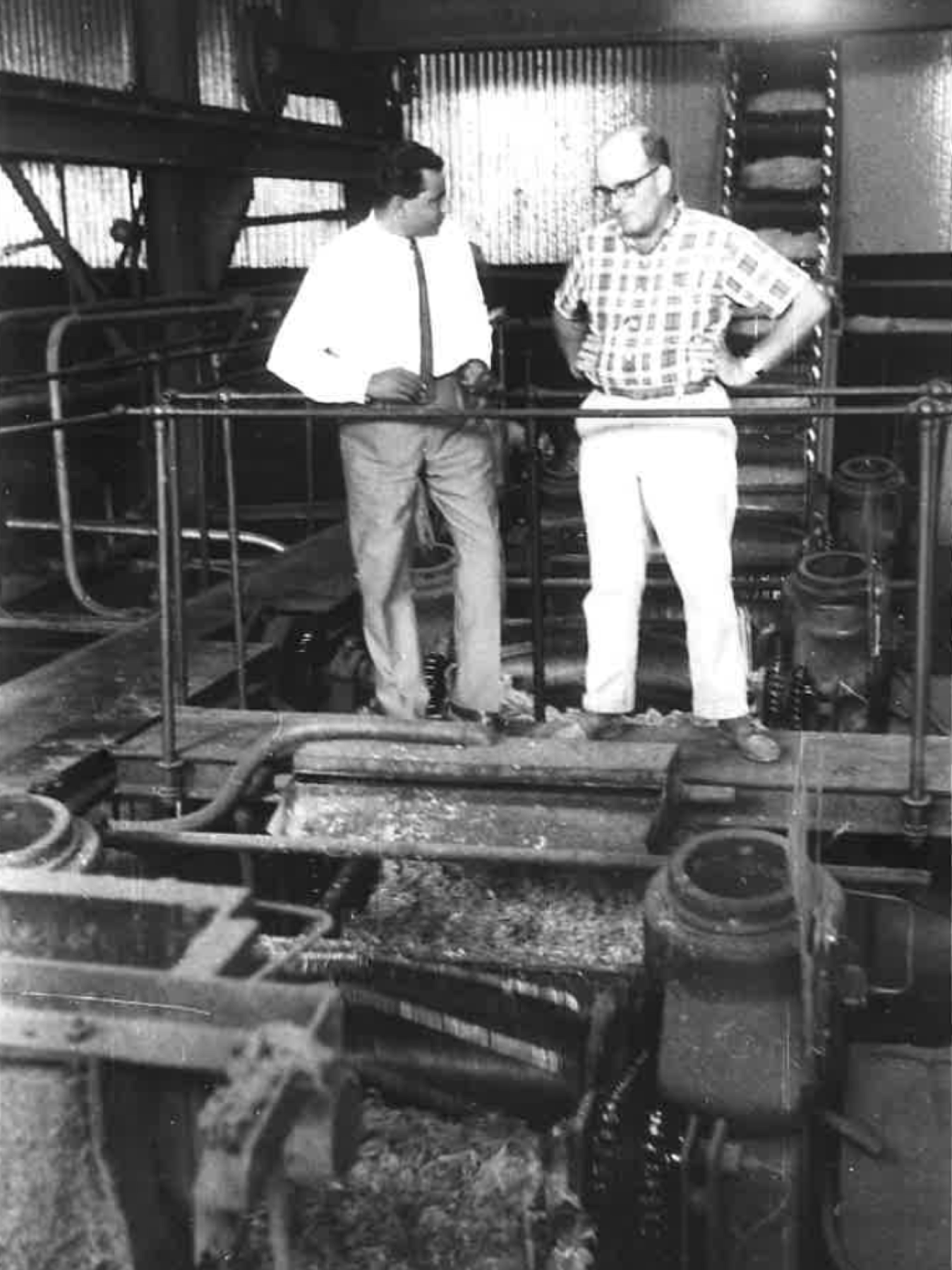
Archive of sugar and industrial activity in Le Marin

The House

One land.
One history.
One vision.

Braud & Quennesson carries forward a longstanding bond between the land, sugar cane and rhum. A house shaped by its terroir, its creations and Habitation Grand-Fonds.

History — Braud & Quennesson

History

The story began in 1866 with Quennesson, Braud et Cie, the company behind the Usine du Marin.

A land of sugar cane

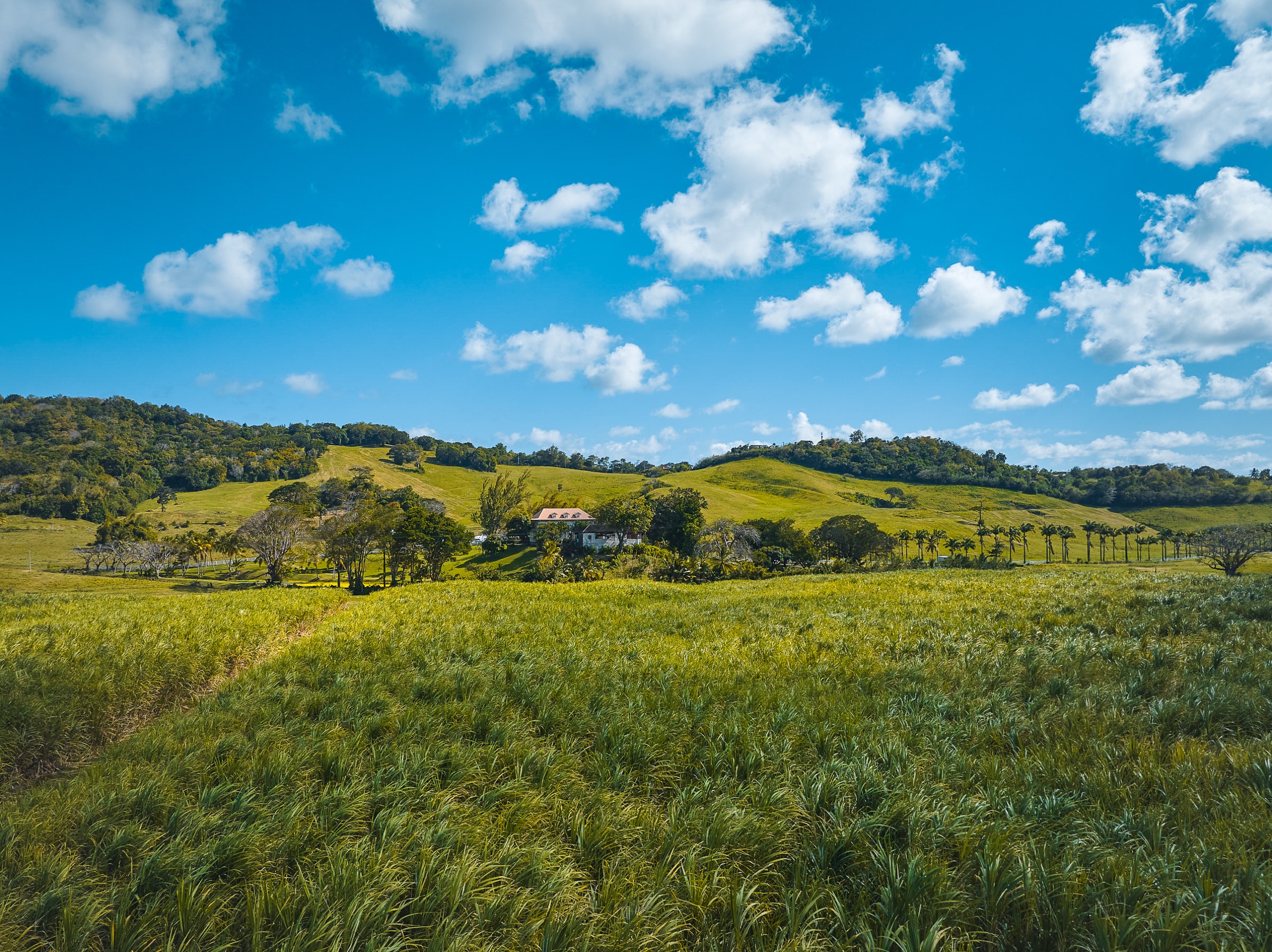
For over a century, the lands of Le Marin have followed the rhythm of sugar cane. They shape the landscapes of southern Martinique and form part of its agricultural and rhum-making history.

Grand-Fonds

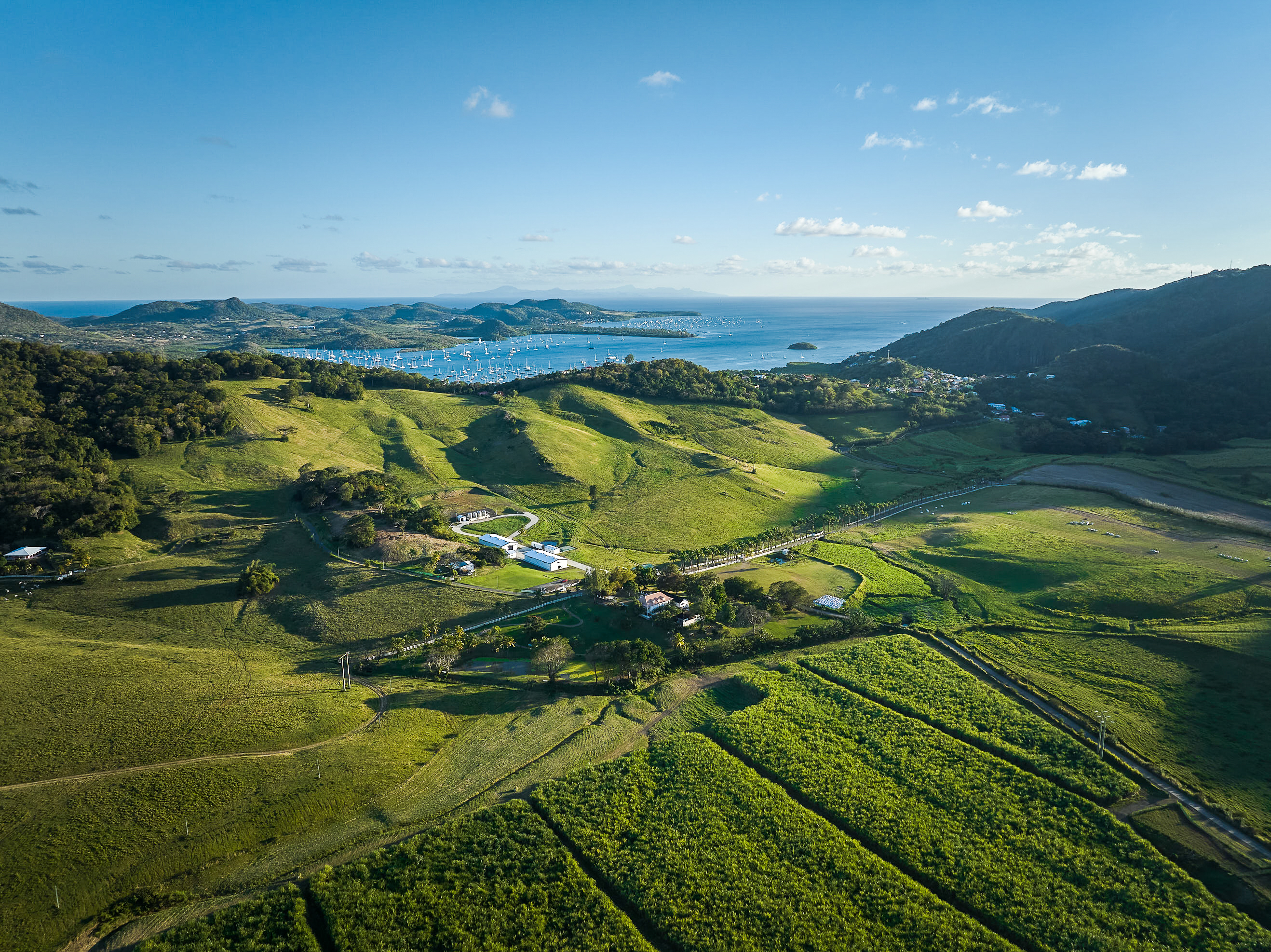
Today, Habitation Grand-Fonds is home to Braud & Quennesson. Heritage, cellar and gardens meet here, bringing together our history and our vision of rhum.
Terroir — Braud & Quennesson

Terroir

In southern Martinique, our sugar cane grows between sea, sun and trade winds.

The South

Sun, wind and the nearby ocean accompany the cane throughout its growth. These conditions shape the character of our terroir.

A mosaic of soils

Volcanic, clay and limestone soils reveal the complex geological history of Le Marin. This diversity informs our parcel-led approach and our understanding of the land.

Craftsmanship — Braud & Quennesson

Craftsmanship

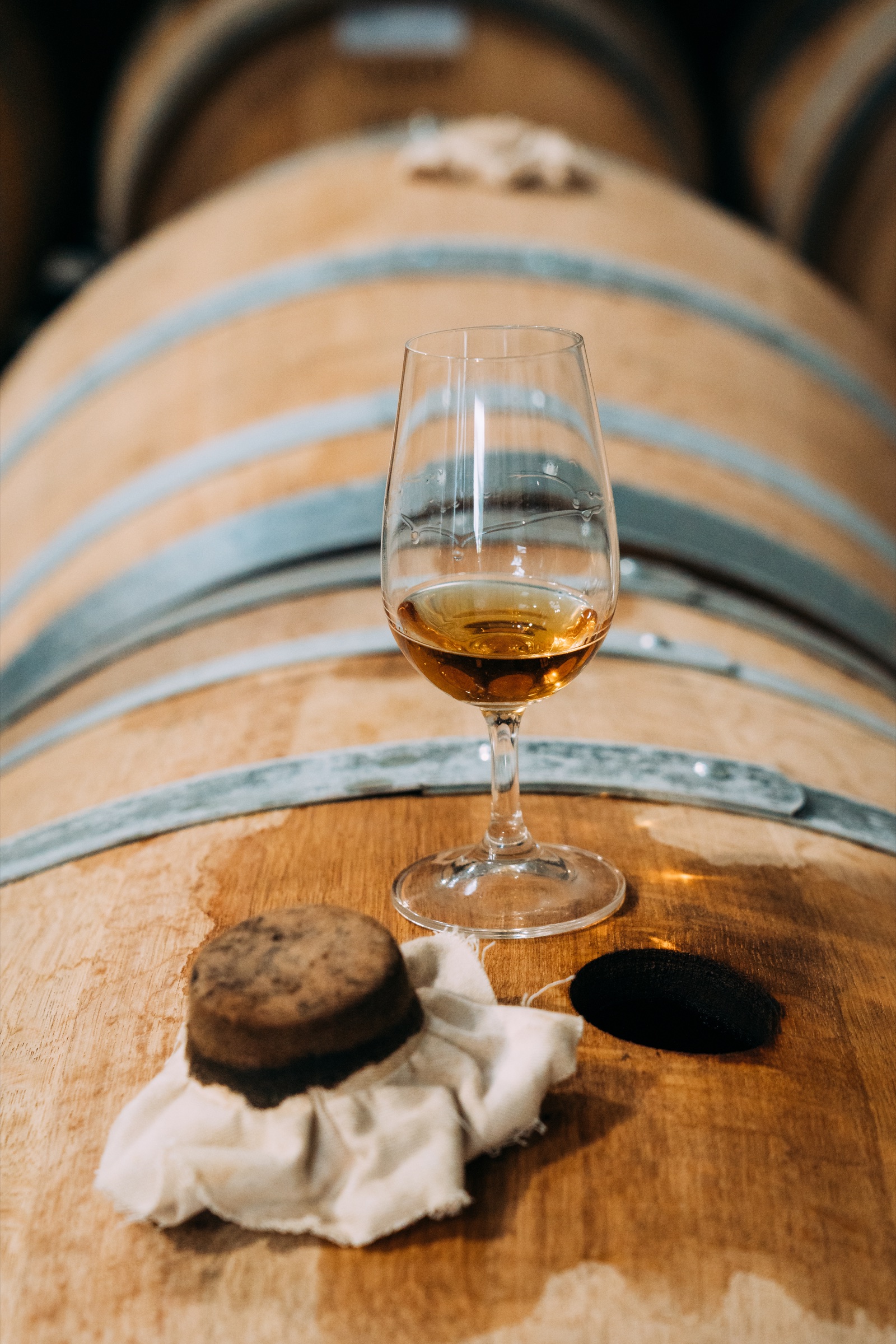
From parcel selection to cask ageing, every stage contributes to the character of our rhums.

Sugar cane

Everything begins in the fields. We grow and harvest our own sugar cane in southern Martinique, paying close attention to each parcel and its expression.

Crafting the rhum

From juices sourced exclusively from our cane to casks and blends, every decision seeks to reveal the character of our terroir.

Time

In Martinique’s warm, humid climate, the relationship between wood and rhum develops quickly, giving rise to distinctive profiles.